Explore print-review cases that show what teams observed, what remained uncertain, and why one outcome was finally accepted
This investigation examines the impact of advanced support strategies on the final dimensional accuracy and post-processing efficiency of Ti-6Al-4V aerospace components produced via Laser Powder Bed Fusion (LPBF).
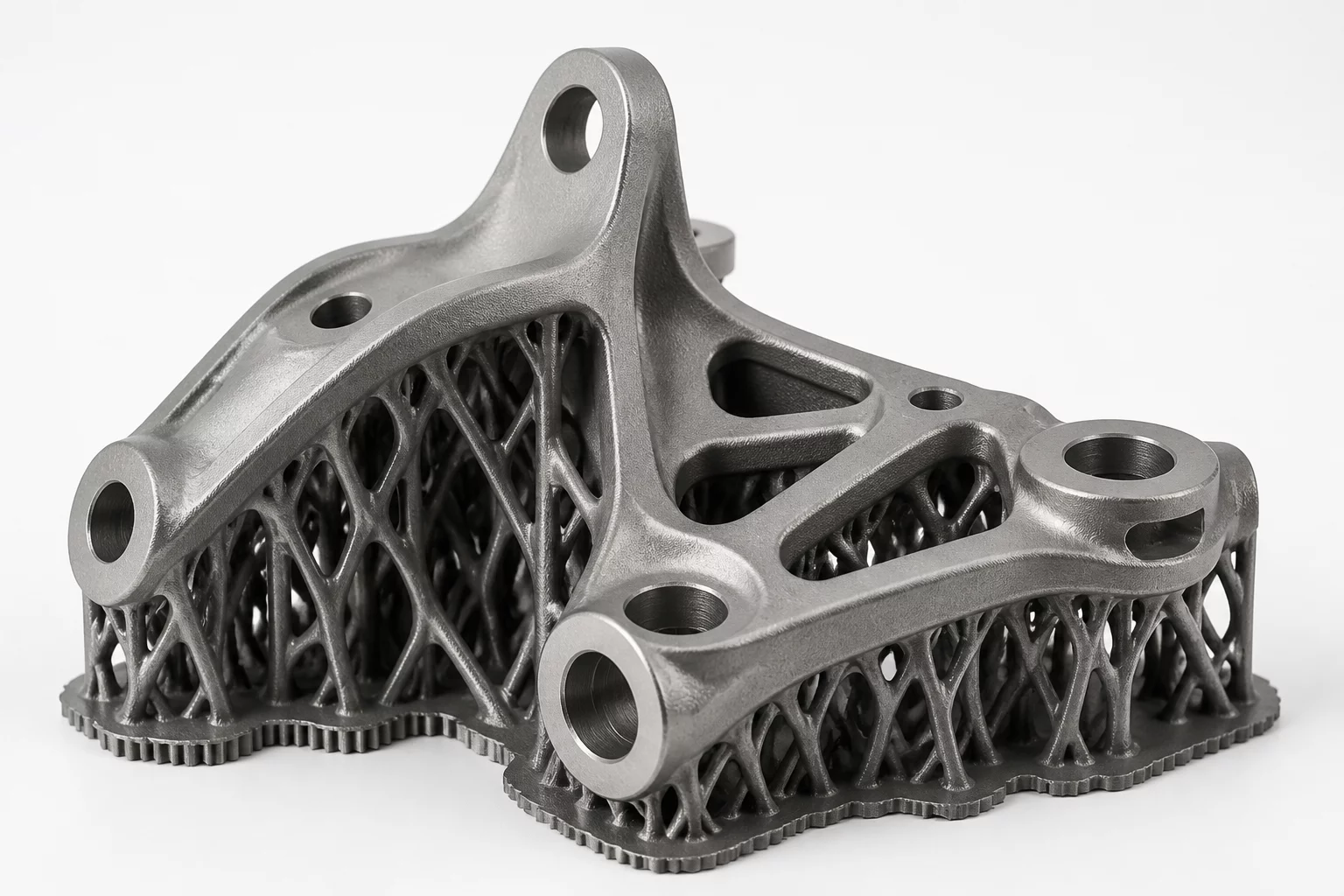
Utilizing AI-driven lattice supports to minimize thermal warping and reduce material contact points by 60%.
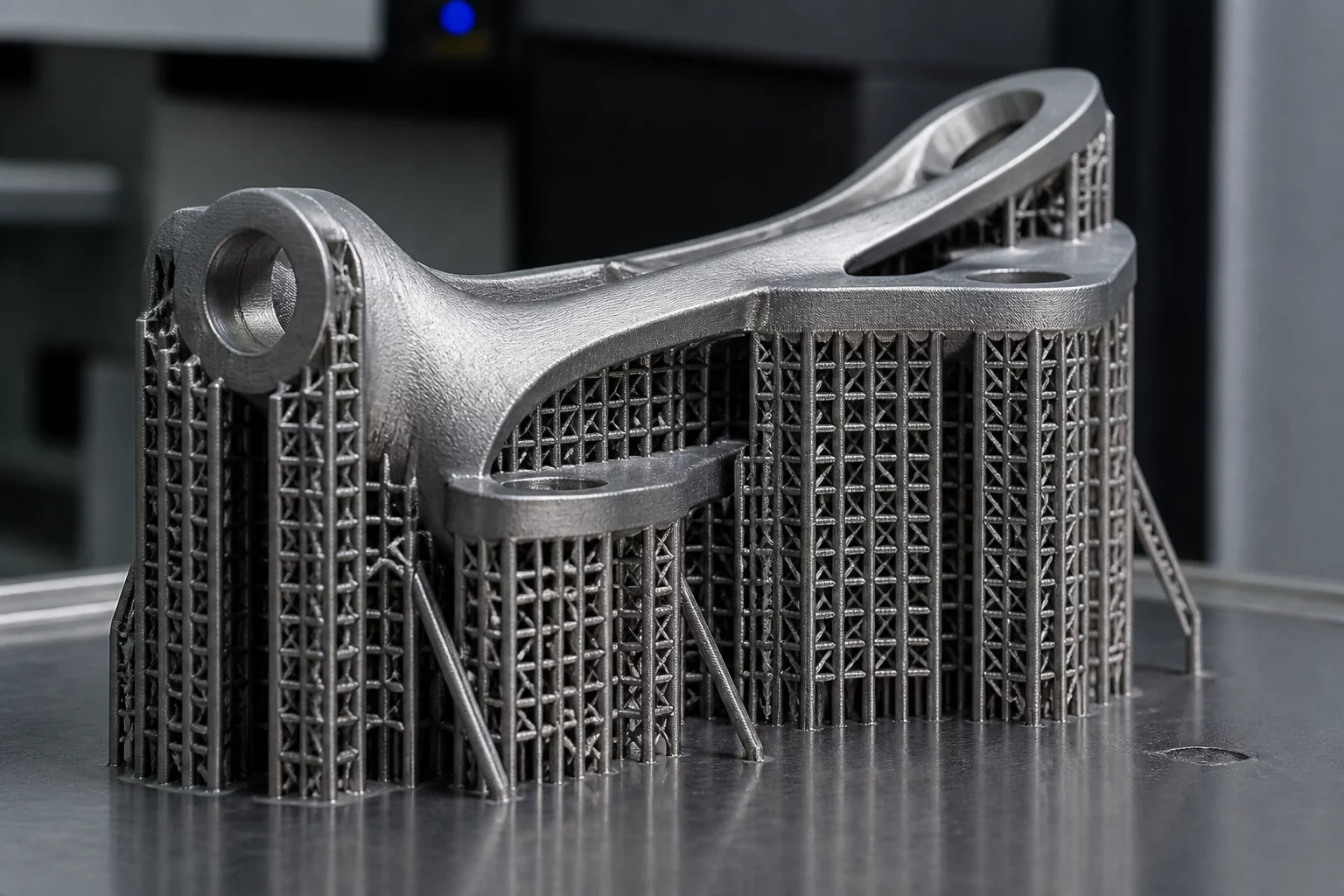
Traditional grid-based supports resulting in higher material consumption and increased surface roughness after removal.
| Parameter | Optimized (A) | Standard (B) |
|---|---|---|
| Print Time | 18h 42m | 21h 15m |
| Support Volume | 12.4 cm³ | 28.9 cm³ |
| Surface Deviation | ±0.045 mm | ±0.120 mm |
| Post-Processing | 2.5 hours | 6.0 hours |
"The transition to generative support structures is not just a material-saving measure; it is a fundamental shift in ensuring part repeatability for flight-critical hardware. The reduction in manual finishing alone justifies the software investment."
Dr. Elena Kostic
Senior AM Research Engineer
The implementation of generative support structures achieved a 42% reduction in total production cost per unit. While the initial computational setup requires specialized expertise, the downstream benefits in reduced material waste and expedited post-processing make it the recommended standard for high-performance aerospace alloys.
Every case file in the archive follows a standardized structure to ensure completeness and traceability of evidence.
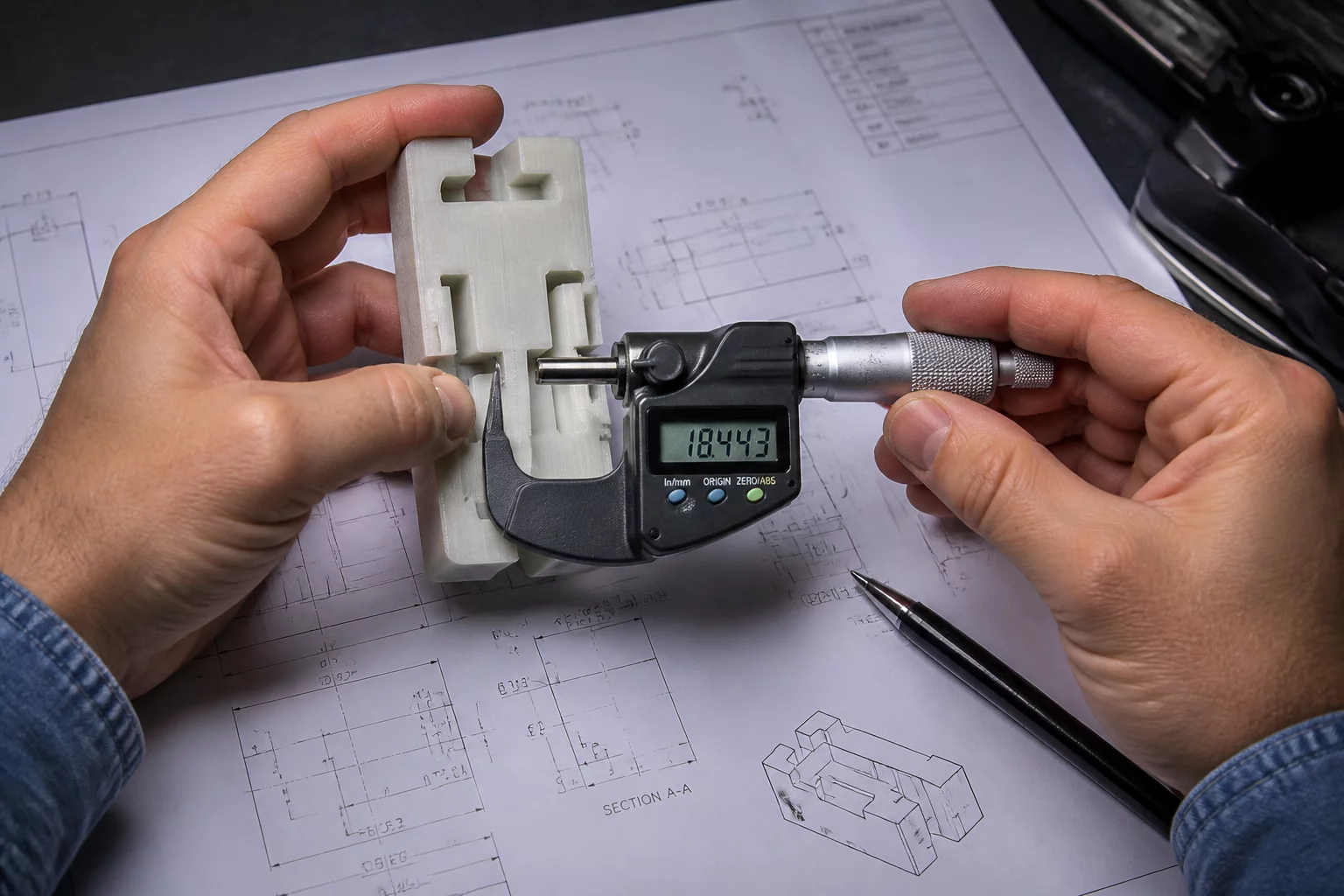
Standardized protocols for evaluating mechanical tolerances, interlocking parts, and structural integrity in multi-component systems.
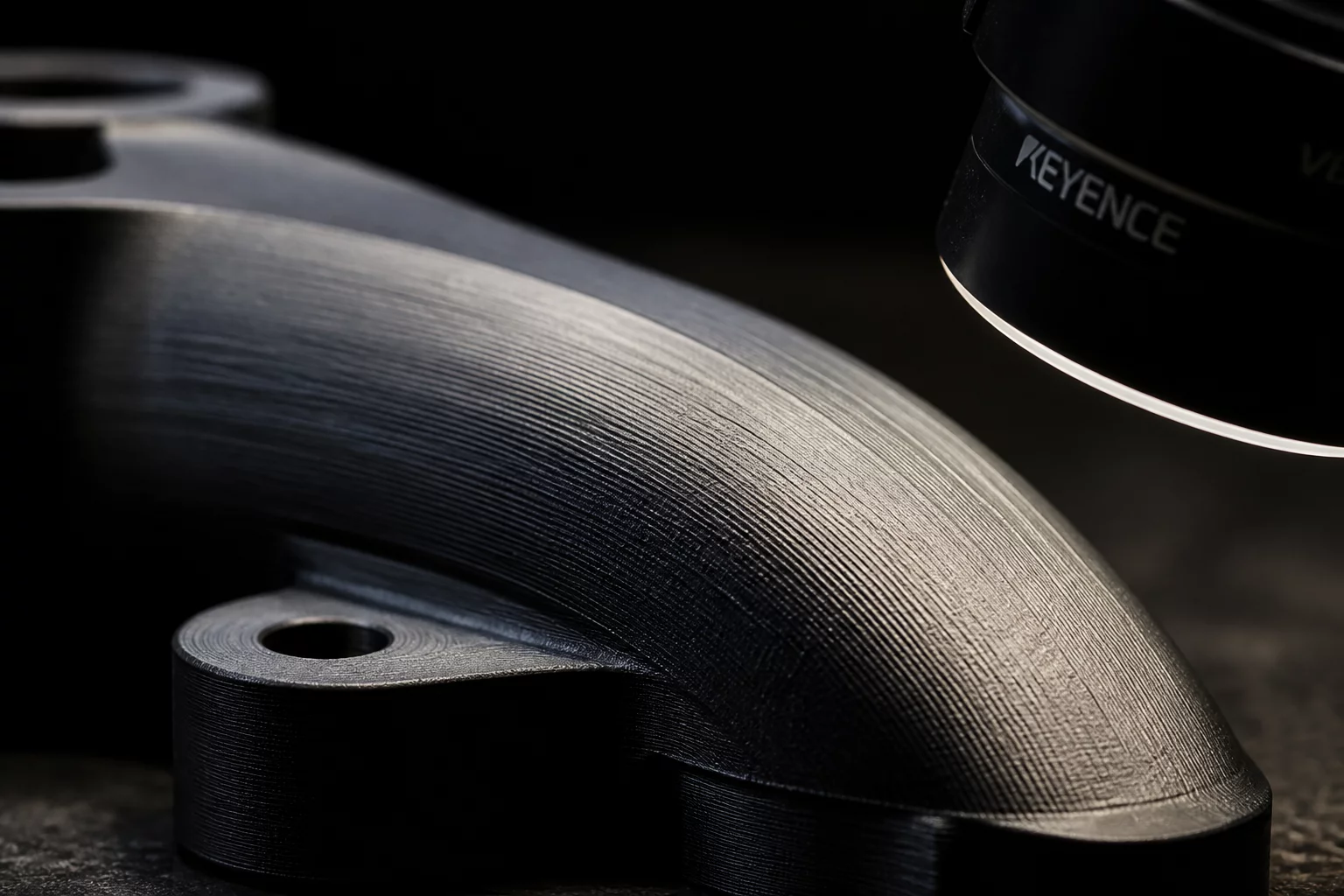
Technical guidelines for aesthetic inspection, surface roughness assessment, and layer line visibility standards for end-use parts.
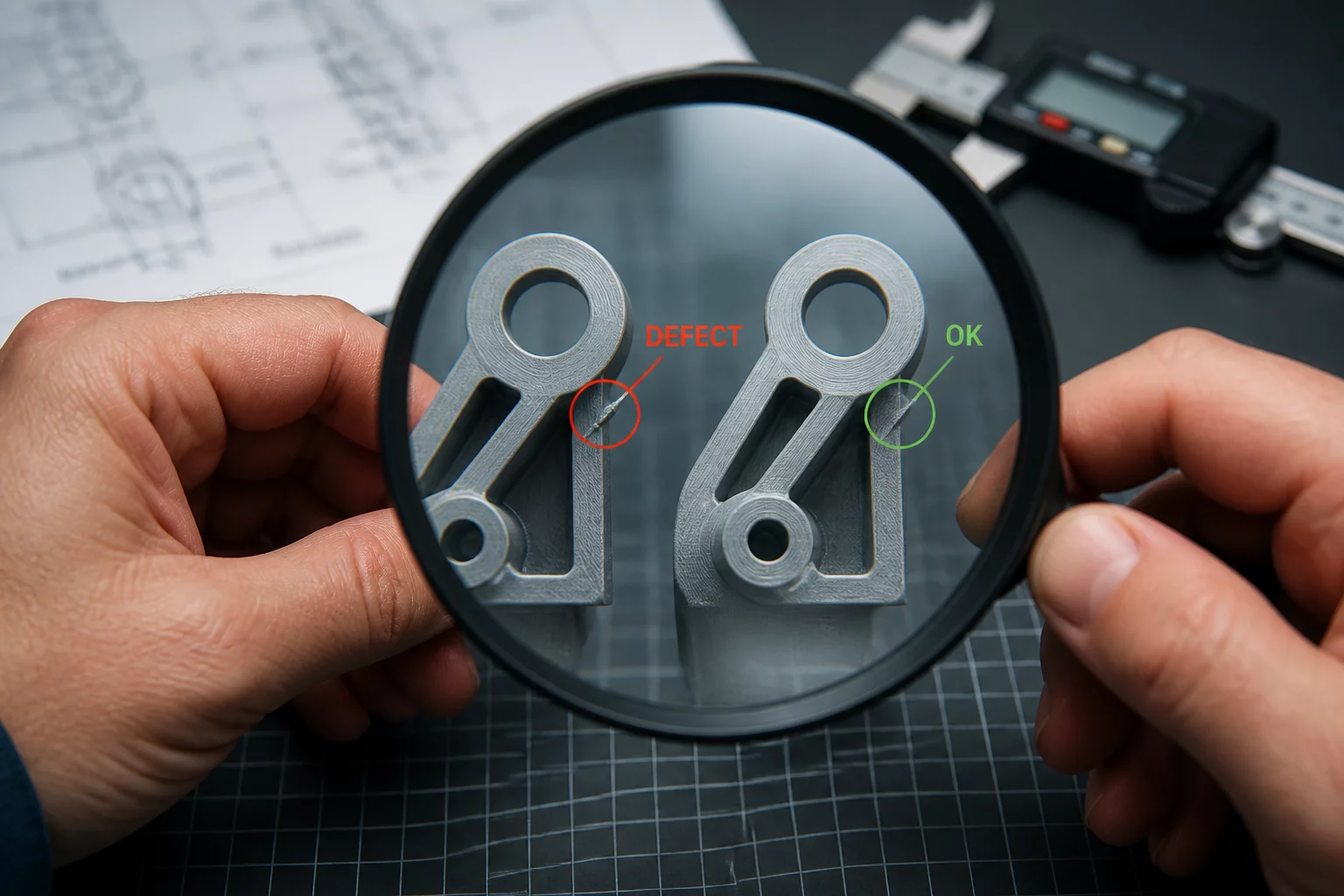
Analysis of small-scale geometry resolution, intricate lattice structures, and the limits of high-precision additive manufacturing.
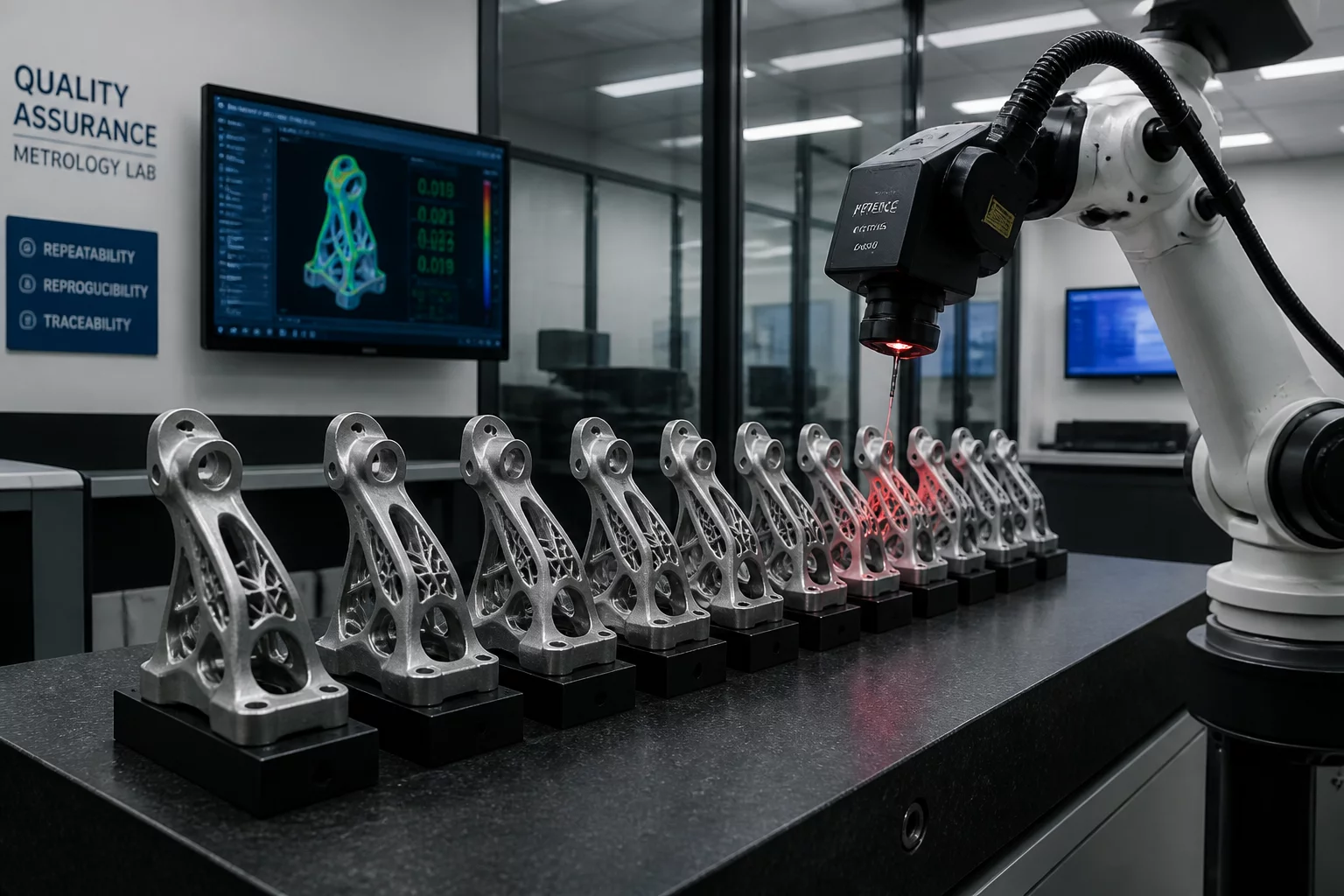
Methodologies for ensuring consistent output across multiple print cycles, machine fleets, and production shifts.
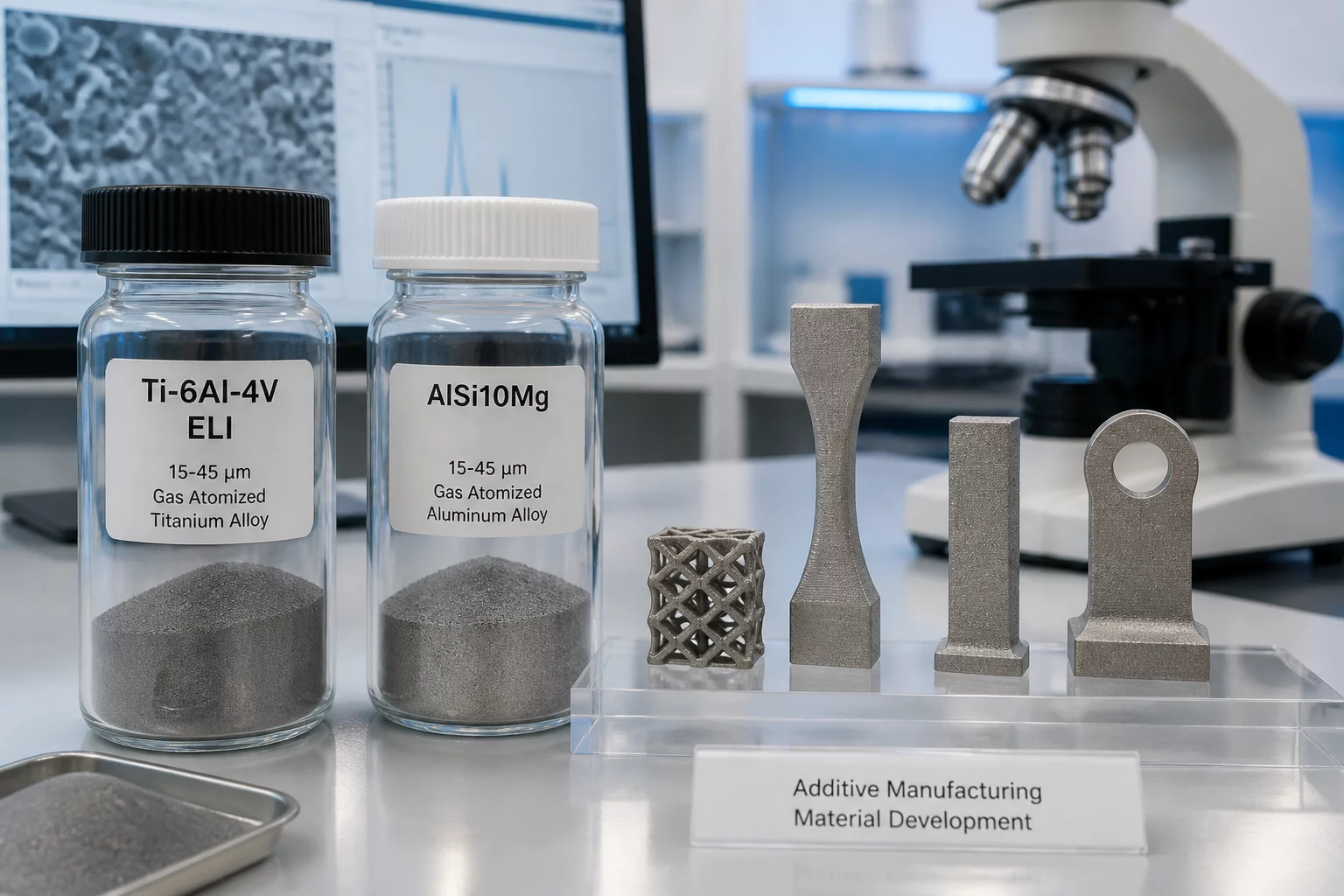
Comparative reviews of advanced polymer resins, metal alloys, and bio-inspired composites for industrial applications.
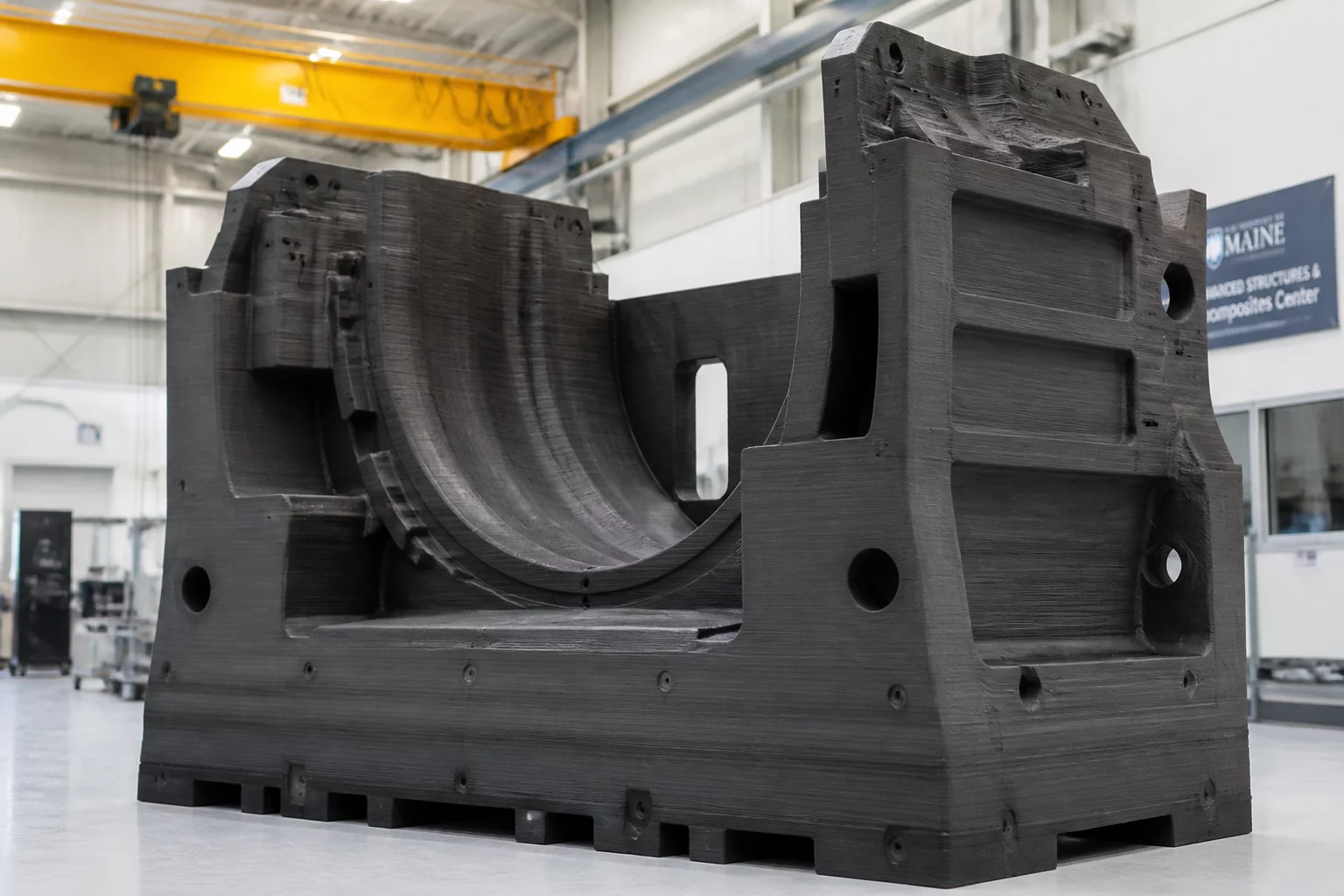
Critical analysis of communication gaps and technical errors during transitions between design, printing, and post-processing teams.
Identifying the most frequent engineering oversights in 3D printing workflows and their direct impact on project overhead and structural integrity.
Neglecting anisotropic properties leads to layer delamination under load-bearing conditions.
Ignoring cooling rates in large-format prints causes warping and severe bed detachment.
Excessive support structures result in surface scarring and hours of manual post-processing.
Designing below material-specific minimums causes structural collapse during printing.
Our archive provides validated data points to ensure your first print is your final print. Review our technical regulations to optimize your workflow.
Documenting innovation and real-world implementation cases across the global additive manufacturing ecosystem.



A curated dictionary of fundamental additive manufacturing concepts and industry terminology.
Precision resin curing via focused ultraviolet laser beams.
Thermal fusion of polymer particles using high-power lasers.
Layered extrusion of molten thermoplastic filaments.
Direct sintering of metal powders into functional components.
Algorithmic optimization of geometry for stress distribution.
Repeating micro-architectures for strength-to-weight efficiency.
Technical finishing including thermal relief and surface refinement.
The dimensional limit of the machine's production envelope.
Sacrificial structures ensuring stability for complex overhangs.
Standard geometric file format representing 3D surface meshes.
Internal density patterns controlling part weight and rigidity.
Vertical resolution defined by the thickness of each slice.
PartEvidence Case Files follows a rigorous technical workflow to ensure every case study in our archive meets industrial standards for reliability and reproducibility.
Engineers submit raw print data, CAD files, and material specifications for independent evaluation.
Our technical team reviews parameters, verifies material performance, and identifies potential failure modes.
Validated data is structured into a technical case file with standardized metadata for easy cross-referencing.
The final report is published to the archive, providing the AM community with high-fidelity production insights.
Connect with our engineering team for detailed case documentation, material specifications, or to submit your own additive manufacturing data for review.

Independent digital archive providing technical reviews and implementation case studies in the field of additive manufacturing and industrial 3D printing.