
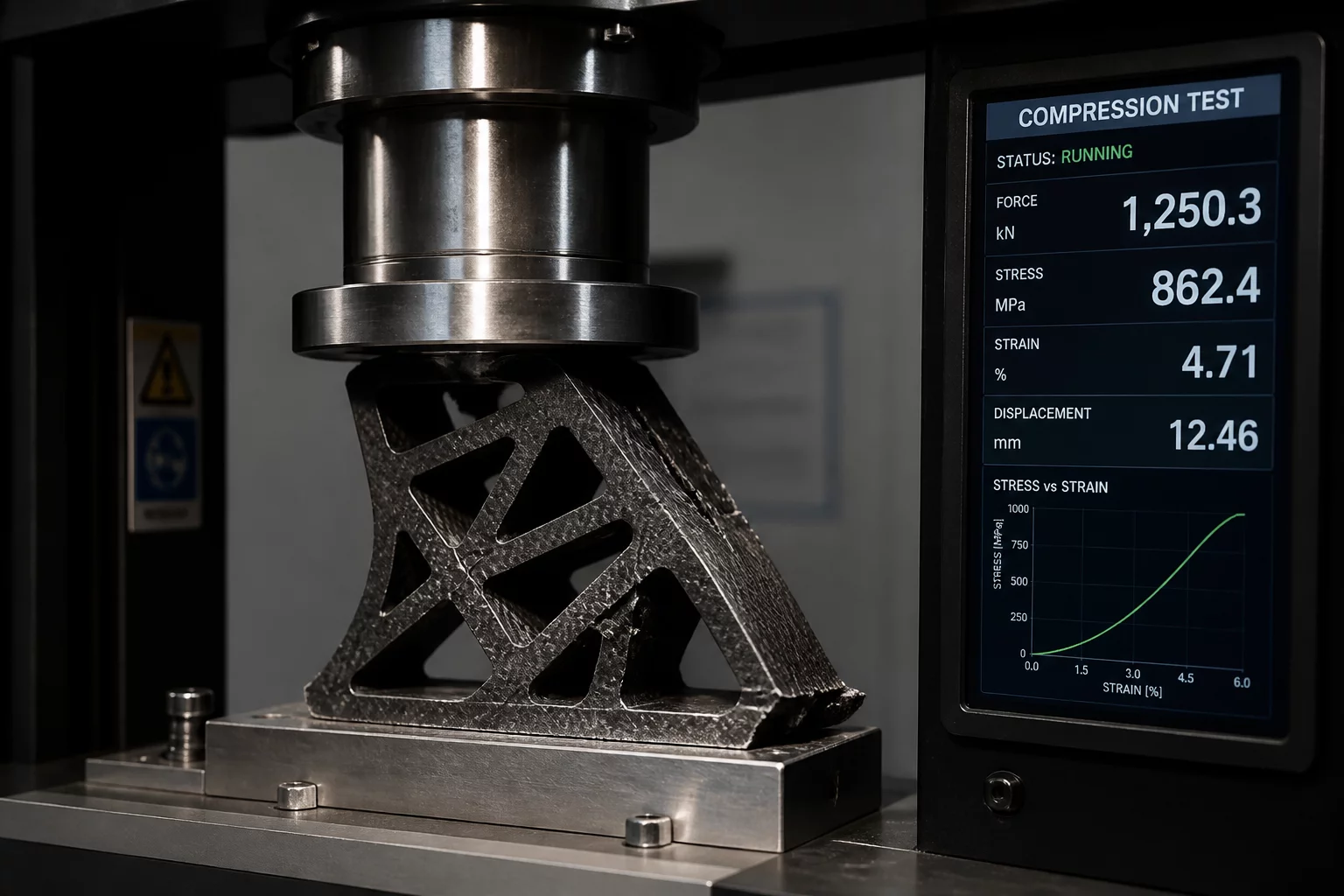
RUSAL has officially unveiled a high-performance ultra-strong composite material, marking a pivotal shift in the capabilities of aluminum-based additive manufacturing. This innovation centers on a metal matrix composite (MMC) that effectively bridges the gap between traditional lightweight alloys and heavy-duty structural steels. The material leverages a proprietary blend of aluminum enriched with high-modulus reinforcement phases, specifically engineered to withstand the unique thermal gradients encountered during the Laser Powder Bed Fusion (LPBF) process.
Optimizing the Metal Matrix for Additive Processes
Engineers at the company's dedicated research facility focused on solving the issue of porosity and uneven grain distribution common in early-stage metal composites. By utilizing an advanced gas atomization technique, they created a powder with high sphericality and a narrow particle size distribution. This consistency ensures that the reinforcement particles are dispersed throughout the printed part, preventing the formation of weak zones or crack initiation points. The resulting feedstock flows smoothly through industrial 3D printers, allowing for high-speed production without sacrificing the integrity of complex geometries.
Mechanical Benchmarks and Structural Integrity
The mechanical properties reported for this new composite are truly remarkable. In standardized tensile testing, components printed with this material achieved a yield strength surpassing 600 MPa while maintaining an elongation rate that provides sufficient safety margins for dynamic loads. Hardness levels are significantly elevated compared to standard alloys, making the parts highly resistant to abrasive wear. Furthermore, the material exhibits exceptional thermal stability, retaining over 80% of its strength at operating temperatures that would cause standard aluminum to soften significantly. These metrics have been verified through multiple build cycles to ensure repeatability across different machine platforms.
Future Implications for Industrial Manufacturing
The introduction of such a robust material opens new doors for the aerospace industry, where every gram of weight reduction translates to fuel efficiency and increased payload capacity. Aircraft designers can now replace bulky steel or titanium assemblies with topology-optimized aluminum composite brackets and housings. Similarly, in the automotive sector, high-stress engine components and electric vehicle battery enclosures can be made lighter and more heat-resistant. RUSAL intends to scale up the production of this powder throughout 2026, making it available to international partners seeking to push the physical limits of their additively manufactured products.