
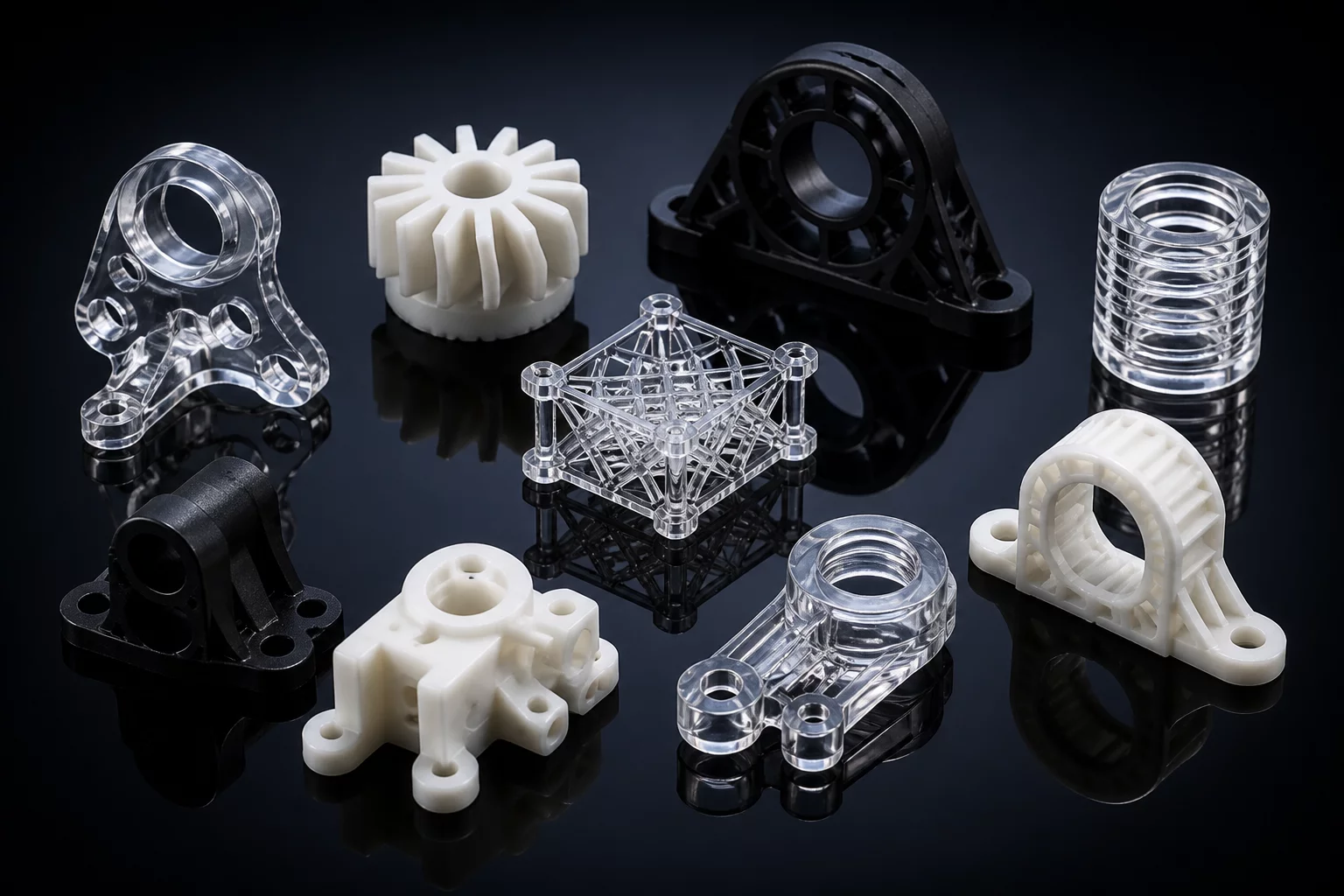
Stratasys has significantly broadened its stereolithography (SLA) material portfolio, introducing high-performance resins designed to bridge the gap between prototyping and functional end-use parts. The announcement, made just before the RAPID + TCT 2026 exhibition, highlights a strategic shift toward specialized industrial applications where thermal stability and mechanical toughness are paramount.
Unlocking Thermal Resistance with ULTEM 1010 for SLA
The introduction of ULTEM 1010 resin for SLA systems marks a major milestone. Known in the FDM world for its exceptional heat deflection temperatures and chemical resistance, this material now brings those same properties to the high-resolution world of SLA. Engineers can now produce parts that withstand rigorous environments without sacrificing the smooth surface finish and geometric complexity that resin-based printing provides. It opens new doors for aerospace ducting and under-the-hood automotive components.
ToughONE: Redefining Durability in PolyJet and SLA
Alongside the resin updates, the new PolyJet ToughONE material aims to solve the brittleness often associated with photopolymers. It exhibits impressive impact strength and elongation at break, making it ideal for living hinges, snap-fit assemblies, and consumer electronics housings. During our testing, the material maintained its integrity through repeated mechanical stress, proving its worth for functional verification cycles that previously required CNC-machined plastics.
Performance Validation and Industry Impact
The expansion of the Neo line’s material compatibility ensures that these new resins are not just limited to proprietary ecosystems. Stratasys is fostering an open-material approach that allows service bureaus to optimize their machines for specific client needs. As additive manufacturing moves further into serial production, the availability of certified, high-performance resins like these becomes the deciding factor for adoption in regulated industries.